Worn Dental Fillings: Signs, Risks, and When to Seek Treatment
That sudden sharp pain when you bite down on your favorite snack, or the unexpected sensitivity to hot coffee that wasn't there before? These could be warning signs that one of your worn dental fillings is deteriorating. Worn dental fillings don't last forever, and recognizing the early signs can save you from more complex and costly dental procedures down the road. At Key Dental in Arlington Heights, Dr. Matt Gotta and our experienced team regularly help patients identify and address worn dental fillings before they become serious problems. Understanding what causes worn dental fillings to deteriorate, how to recognize the warning signs, and when to seek treatment empowers you to maintain optimal oral health while avoiding dental emergencies.
Understanding Worn Dental Fillings: What Happens Over Time
A worn dental filling is exactly what it sounds like: a restoration that has deteriorated from its original condition due to normal daily use. Just like any other material in your mouth, worn dental fillings experience constant wear from chewing, grinding, temperature changes, and exposure to acids from foods and bacteria. Over time, this continuous stress causes even the most durable filling materials to break down, lose their tight seal, or develop small cracks and gaps.
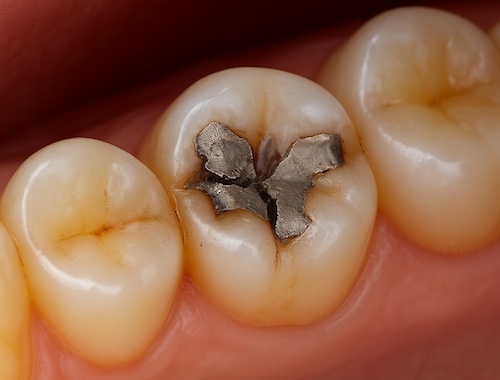
The wear process typically happens gradually over many years. This is why many patients don't immediately notice changes in their fillings. Modern dental filling materials are remarkably durable, but they're not indestructible. Amalgam fillings, those traditional silver-colored restorations, can last 10-15 years or more. However, they may eventually show signs of corrosion, expansion, or cracking. Composite fillings, the tooth-colored alternatives we discussed in our recent article about composite versus amalgam filling options, typically provide 7-10 years of excellent service before showing wear patterns.
Understanding that filling wear is a normal part of dental maintenance helps put any concerns in perspective. Rather than viewing a worn filling as a dental emergency, it's better to think of it as routine maintenance, similar to replacing worn tires on your car. The key is catching wear early, before it progresses to more serious complications that require extensive treatment.
Different filling materials wear in characteristic ways. Metal amalgam fillings may develop rough edges, small fractures, or loose portions that can fall out. Composite fillings might show surface roughness, discoloration at the margins, or small chips along the edges. Understanding these patterns helps you recognize when your fillings might need professional evaluation.
Recognizing the Warning Signs of a Worn Filling
Early detection of filling wear can prevent minor issues from becoming major dental problems. Several key warning signs indicate that a filling may be wearing out and needs professional attention.
Increased sensitivity represents one of the most common early signs of filling wear. If a previously comfortable tooth suddenly becomes sensitive to hot, cold, or sweet foods and drinks, the filling may be developing small gaps that allow stimuli to reach the inner tooth structure. This sensitivity often starts mild and gradually increases as the wear progresses, making early intervention much more comfortable than waiting until the discomfort becomes severe.
Pain when chewing or biting down often indicates that a filling has developed a crack, loose portion, or uneven surface. This discomfort might be sharp and sudden, occurring only when pressure is applied to the specific tooth, or it might be a more constant ache that worsens with use. Either way, pain during normal function suggests the filling is no longer providing adequate protection for the underlying tooth structure.
Rough or sharp edges that you can feel with your tongue signal surface breakdown of the filling material. These irregularities not only feel uncomfortable but also create areas where plaque and bacteria can accumulate, increasing the risk of decay around the filling margins. What starts as a minor rough spot can quickly progress to a more significant problem if not addressed promptly.
Visible changes in the filling appearance deserve attention even if you're not experiencing discomfort. Dark lines or spots around the filling edges might indicate decay developing underneath the restoration, while obvious chips, cracks, or missing pieces clearly show that the filling has failed. Sometimes patients notice that food consistently gets stuck in the same spot, which often indicates a gap has developed between the filling and tooth structure.
Changes in bite alignment or the way your teeth fit together when closing can also signal filling problems. A filling that has shifted, cracked, or partially fallen out may create a high spot that interferes with your normal bite, leading to jaw discomfort or uneven wear on other teeth.
Why Dental Fillings Wear Out: Understanding the Causes
Several factors contribute to dental filling wear, and understanding these causes helps explain why even the best fillings eventually need replacement. The primary culprit is simply time and normal use. Your teeth endure tremendous forces during chewing, potentially hundreds of pounds of pressure per square inch when biting down on hard foods.
Material fatigue occurs as filling materials flex and compress repeatedly under chewing forces. Over thousands of cycles of use, even the strongest materials can develop microscopic cracks that eventually grow into visible problems. This process happens faster in patients who grind their teeth, clench their jaw, or frequently chew very hard foods like ice or hard candy.
Chemical breakdown also plays a role in filling deterioration. The acidic environment in your mouth, created by bacteria and certain foods, can slowly dissolve or weaken filling materials. This is particularly true for older amalgam fillings that may corrode over time, or composite fillings exposed to frequent acid attacks from poor oral hygiene or high-sugar diets.
Thermal stress from hot and cold foods and drinks causes filling materials to expand and contract at different rates than natural tooth structure. Over many years, this differential expansion can create stress along the filling-tooth interface, potentially leading to gaps or cracks that compromise the restoration's integrity.
Poor oral hygiene accelerates filling wear by allowing bacteria to accumulate around filling margins, producing acids that can weaken both the filling material and the underlying tooth structure. Regular brushing, flossing, and professional cleanings help minimize this bacterial attack and extend filling life.
Individual factors also influence filling longevity. Patients with naturally strong bite forces, those who grind their teeth during sleep, or individuals with dry mouth conditions may experience faster filling wear. Our general dentistry team considers these personal factors when selecting filling materials and providing maintenance recommendations to maximize restoration lifespan.
The Risks of Ignoring a Worn Filling
While worn dental fillings might start as a minor inconvenience, ignoring the problem can lead to increasingly serious complications. These complications need more extensive and expensive treatment. Understanding these potential consequences emphasizes the importance of addressing worn dental fillings promptly.
Secondary decay represents the most common complication of worn fillings. When gaps develop between the filling and tooth structure, bacteria can infiltrate these spaces and cause new cavities underneath or around the existing restoration. This decay often progresses rapidly because it's protected from your toothbrush and may not cause obvious symptoms until it becomes quite advanced.
Tooth fractures can occur when worn fillings no longer provide adequate support to the remaining tooth structure. Large fillings, in particular, can weaken teeth significantly, and when the filling begins to fail, the unsupported tooth walls may crack or break under normal chewing forces. These fractures can range from minor chips that are easily repaired to major breaks that require extensive restoration or even tooth extraction.
Infection of the tooth's inner pulp becomes a risk when decay or cracks progress deep enough to reach the nerve tissue. This condition, known as pulpitis, can be extremely painful and typically requires root canal treatment to save the tooth. What might have been treated with a simple filling replacement can escalate to a much more complex and costly procedure when intervention is delayed.
Complete filling failure, where the entire restoration falls out or breaks apart, leaves the tooth completely exposed to bacteria and further damage. Emergency dental visits for lost fillings are both uncomfortable and often more expensive than planned replacement would have been, particularly if the exposure leads to severe pain or infection.
Bite problems can develop when worn fillings create uneven surfaces or change the shape of teeth. These irregularities can lead to jaw muscle strain, excessive wear on other teeth, or temporomandibular joint problems that extend beyond the originally affected tooth.
Early intervention for worn fillings almost always results in simpler, less expensive treatment compared to addressing the complications that arise from delayed care. Regular dental check-ups allow for detection of filling wear before symptoms develop, enabling proactive treatment that maintains both comfort and oral health.
Treatment Options for Worn Dental Fillings
When worn dental fillings show signs of deterioration, several treatment options are available. The choice depends on how extensive the problem is and the condition of the remaining tooth structure. Dr. Matt and our team at Key Dental carefully evaluate each situation to recommend the most appropriate solution for your specific needs.
Simple filling replacement often provides the best solution when wear is detected early. If the original cavity size hasn't changed and the surrounding tooth structure remains healthy, a new filling can restore full function and appearance. Modern filling materials offer improved durability and aesthetics compared to older restorations, potentially providing better long-term results than the original filling.
Inlays and onlays represent an intermediate option when the cavity has grown too large for a conventional filling but the tooth doesn't require a full crown. These custom-made restorations, sometimes called partial crowns, provide superior strength and durability for larger restorations while preserving more natural tooth structure than a full crown would require.
Dental crowns become necessary when significant tooth structure has been lost due to decay, fracture, or the size of the original filling. Crowns completely cover the remaining tooth structure, providing maximum protection and restoration of function. While more extensive than filling replacement, crowns often represent the most predictable long-term solution for heavily restored teeth.
Root canal treatment may be required if decay or infection has reached the tooth's nerve tissue. This procedure removes the infected pulp, cleans and disinfects the inner tooth, and seals the space to prevent further infection. Following root canal treatment, the tooth typically requires a crown for optimal protection and function.
The choice between these treatment options depends on several factors. These include the extent of decay or damage, the amount of remaining healthy tooth structure, and the tooth's location in your mouth. Your personal preferences regarding treatment complexity and cost also matter. In some cases, patients may benefit from coordinating worn filling treatment with other restorative work. This might include dental bridges if multiple teeth require attention.
Preventing Future Filling Wear: Proactive Oral Health Strategies
While all dental fillings will eventually need replacement, several strategies can significantly extend their lifespan and reduce how often you need repairs. Implementing these preventive measures helps protect your investment in dental care while maintaining optimal oral health.
Consistent oral hygiene practices form the foundation of filling preservation. Brushing twice daily with fluoride toothpaste removes plaque that produces acids capable of weakening both filling materials and natural tooth structure. Daily flossing cleans areas around filling margins where bacteria tend to accumulate, preventing the secondary decay that often necessitates filling replacement.
Regular dental check-ups and cleanings allow for early detection of filling wear before symptoms develop. Professional examinations can identify small problems that are easily corrected, while professional cleanings remove hardened plaque deposits that home care might miss. Most patients benefit from six-month intervals, though some may require more frequent visits based on individual risk factors.
Protective measures help preserve fillings in patients with habits that accelerate wear. Custom nightguards protect both natural teeth and fillings from the excessive forces generated by nighttime grinding or clenching. Sports guards shield teeth from impact damage during athletic activities, preventing both tooth fractures and filling damage.
Dietary considerations can significantly impact filling longevity. Limiting extremely hard foods like ice, hard candies, and nut shells reduces the risk of sudden filling fracture. Similarly, minimizing frequent snacking on sugary or acidic foods helps prevent the acid attacks that can weaken filling margins and underlying tooth structure.
Avoiding harmful habits protects fillings from unnecessary stress. Using teeth as tools to open packages, bite fingernails, or hold objects can damage both natural teeth and dental restorations. Similarly, chewing on pen caps, pencils, or other non-food items creates wear patterns that can accelerate filling breakdown.
Addressing underlying health conditions that affect oral health helps create an environment where fillings can perform optimally. Managing conditions like dry mouth, acid reflux, or diabetes reduces factors that contribute to filling wear and decay development around existing restorations.
When to Schedule a Dental Appointment for a Worn Filling
Recognizing when a worn filling needs professional attention helps prevent minor problems from becoming major complications. Several situations warrant prompt dental evaluation, even if you're not experiencing significant discomfort.
Any persistent sensitivity or pain around a filled tooth should be evaluated promptly. While mild, occasional sensitivity might be normal, increasing or constant discomfort often indicates that the filling is no longer providing adequate protection for the underlying tooth structure. Early intervention can often address these issues with simple filling replacement rather than more extensive treatment.
Visible changes in filling appearance, such as dark lines, obvious chips, or rough edges, require professional assessment even in the absence of symptoms. These changes often indicate the beginning of filling failure, and addressing them early prevents progression to more serious problems.
Changes in how your teeth feel when biting or chewing, particularly if food consistently gets stuck in the same area, suggest developing gaps between the filling and natural tooth structure. These spaces can trap bacteria and food particles, creating ideal conditions for decay development.
Complete or partial loss of a filling constitutes a dental emergency requiring prompt attention. Exposed tooth structure is vulnerable to further damage and often becomes quite sensitive or painful. Even if discomfort is minimal initially, exposed teeth typically become increasingly uncomfortable until properly restored.
During routine dental visits, our team may identify filling wear that hasn't yet caused symptoms. These situations provide excellent opportunities for proactive treatment. This prevents the development of pain or complications while allowing for the most conservative treatment options.
Expert Worn Filling Care at Key Dental in Arlington Heights
At Key Dental in Arlington Heights, Dr. Matt Gotta and our experienced team understand that worn filling detection and treatment require both clinical expertise and attention to each patient's unique circumstances. Our comprehensive approach to worn filling care ensures that you receive the most appropriate treatment while maintaining your comfort throughout the process.
Our thorough evaluation process includes detailed examination of existing fillings during routine check-ups, often identifying wear before symptoms develop. Advanced diagnostic tools help us assess the extent of wear and determine the most conservative treatment approach that will provide long-lasting results.
Treatment planning considers not just the immediate filling problem but also your overall oral health needs and personal preferences. We take time to explain your options, discuss the benefits and considerations of each approach, and help you make informed decisions about your dental care.
Our commitment to using premium materials and proven techniques ensures that replacement fillings provide optimal durability and appearance. Whether you need a simple filling replacement or more extensive restoration, we focus on delivering results that serve you well for years to come.
We also emphasize patient education, helping you understand how to maximize the lifespan of your dental restorations through proper home care and lifestyle choices. This proactive approach helps prevent future problems while supporting your overall oral health goals.
Don’t Wait: Address Worn Fillings Before They Become Problems
Worn dental fillings represent a common and completely manageable part of ongoing oral health care. The key to avoiding complications and maintaining your comfort lies in recognizing the warning signs early and seeking appropriate treatment before minor issues become major problems.
If you're experiencing any signs of worn dental fillings—sensitivity, pain when chewing, rough edges, or visible changes—don't wait for the problem to worsen. Early intervention almost always results in simpler, more comfortable, and less expensive treatment. This is compared to addressing the complications that can arise from delayed care.
At Key Dental in Arlington Heights, Illinois, Dr. Matt Gotta and our team are ready to help you address worn fillings with expert care and personalized attention. We understand that dental problems can be concerning, and we're committed to providing the information and treatment you need to maintain optimal oral health.
Think you might have worn dental fillings? Don't let it become a bigger problem. Contact Key Dental in Arlington Heights today to schedule your evaluation. Visit https://keydentalarlingtonheights.com or call our office to book your appointment and take the first step toward resolving your dental concerns.
See what our patients say about their experience with filling treatments on Yelp: Dentist in Arlington Heights, IL.
Recent Posts
Planning a wedding, graduation, or important photo session? Your smile takes center stage at life's biggest moments. Professional teeth whitening for special events in Arlington Heights can transform your confidence when you need it most. At Key Dental in Arlington Heights, Dr. Matt Gotta and our team help patients achieve camera-ready smiles for weddings, senior…
Many adults looking for clear aligners in Arlington Heights think about straightening their teeth for years before finally deciding to do something about it. Sometimes it starts before a wedding, a milestone birthday, engagement photos, a reunion, or a new career opportunity. Other times, it’s simply noticing your teeth shifting more with age or realizing…
Your dentures cracked, broke, or lost a tooth. You need them fixed so you can get back to eating, speaking, and feeling like yourself again. At Key Dental in Arlington Heights, Dr. Matt Gotta and our team know how frustrating denture damage can be. We offer prompt emergency dental care and same-day denture repair when…
Jaw pain can disrupt your daily life. Clicking sounds when you chew, difficulty opening your mouth fully, or persistent headaches might signal temporomandibular joint dysfunction. At Key Dental in Arlington Heights, Dr. Matt Gotta and our team help patients understand their TMJ treatment options and find relief. This guide covers conservative approaches through advanced solutions,…